
The numbers that change everything
According to recent projections, artificial intelligence could account for up to 14% of Canada's total electricity demand by 2030. This is not a marginal estimate, it is a trajectory that transforms national energy planning and creates real constraints on the deployment of AI infrastructure.

What does this mean in concrete terms?
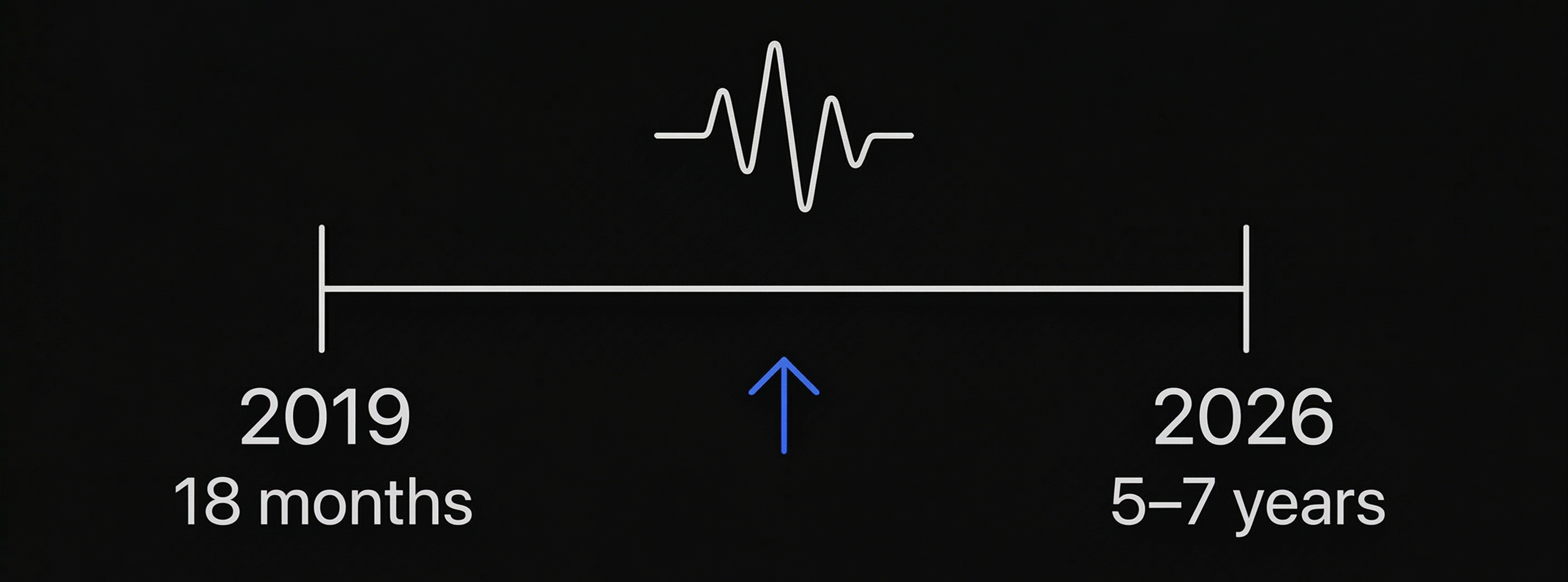
For data center operators, this means that queues for electrical power are getting longer in all major regions. Connection times, which were 18 months three years ago, are now 5 to 7 years in saturated markets such as Northern Virginia or Toronto.
For ESG managers, this means that regulatory pressure on digital energy consumption will intensify. Companies that deploy AI infrastructure without a credible decarbonization plan are exposed to increasing reputational and regulatory risks.
Quebec as a structural response
In this context, Quebec's advantage becomes strategic. Thanks to ultra-low-carbon hydroelectric production and competitive industrial rates, Hydro-Québec offers one of the few environments in North America where it is still possible to secure large-scale electrical power within a reasonable timeframe.
It is on this basis that we are convinced: distributed sites, co-located with local thermal demand, powered by hydroelectricity and designed to recover industrial heat are a direct response to the constraints that are already redefining the AI infrastructure.

02.png)